Is Coconut Water Good For The Kidneys?
Advertisement
Most people consider coconut water to be safe, but if you drink too much of it, especially if you have kidney disease, your potassium levels could rise. Before taking it regularly, talk to your doctor or nutritionist.
It's a better option for your health than sugary sports drinks that are high in calories and sodium. Choose unsweetened versions that don't contain added preservatives.
1. Drink plenty of water
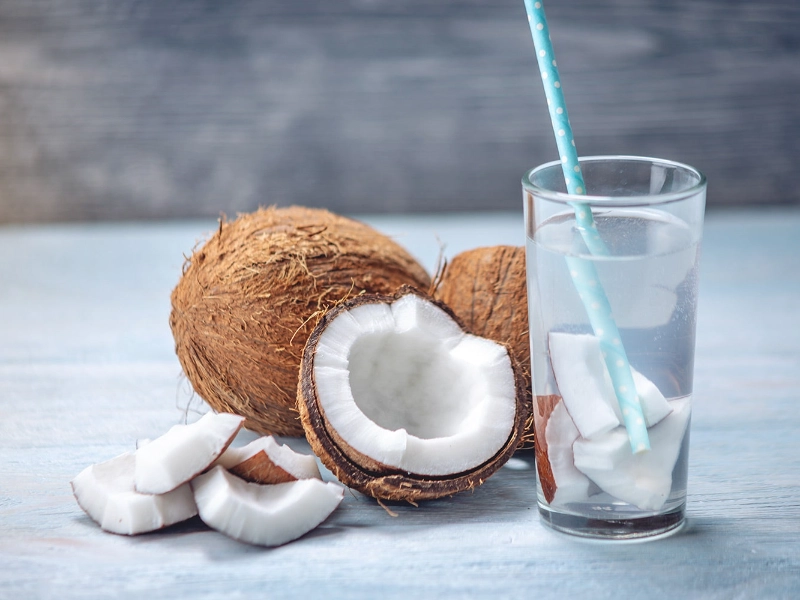
Water is essential for kidney health because it helps the body eliminate toxins. Dehydration can be caused by hot weather, intense exercise or a poor diet and can lead to excessive thirst, disorientation and fatigue.
Because coconut water contains less sodium and more potassium than regular water - sodium can be linked to high blood pressure in some people - it can help hydrate the body. The sodium content of an 8-ounce serving of coconut water is only 101 mg, while some packaged sports drinks with electrolytes can contain as much as 140 mg.
However, you should use coconut water with caution if you have kidney disease. This is due to the possibility of hyperkalemia from routinely consuming too much potassium. In this situation, it is best to avoid drinking coconut water.
2. Liquid salts
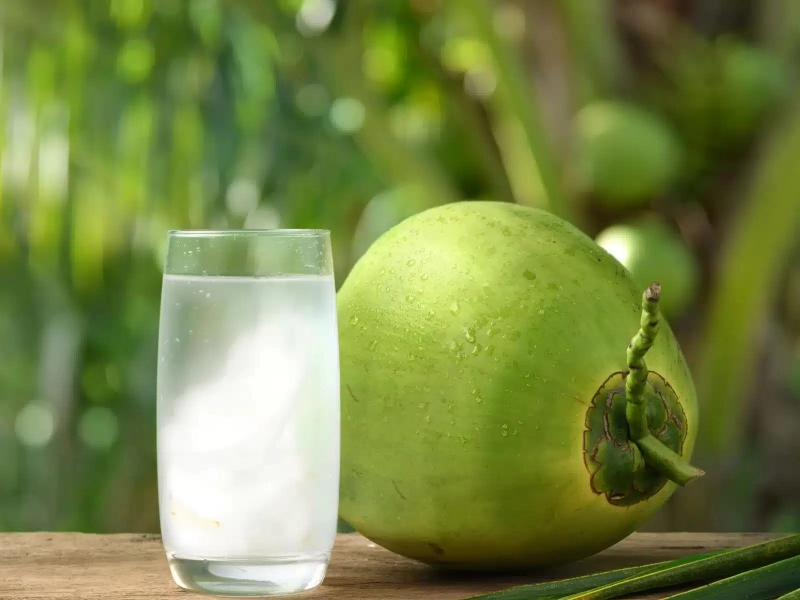
Potassium, calcium and magnesium are among the various electrolytes in coconut water that are crucial for kidney function. These minerals can help prevent the electrolyte imbalance that often accompanies kidney stones.
When minerals like calcium and oxalate clump together in the kidneys to form tiny crystals, kidney stones are the result. Studies suggest that consuming plenty of water—including coconut water—can help stop these crystals from forming.
However, for specific advice on how to prevent kidney stones, it's better to speak to a doctor. Since coconut water is high in potassium, people with chronic kidney disease in particular should avoid consuming large amounts of coconut water. This can lead to hyperkalemia, a potentially fatal condition caused by excess potassium in the blood.
3. Carbohydrates
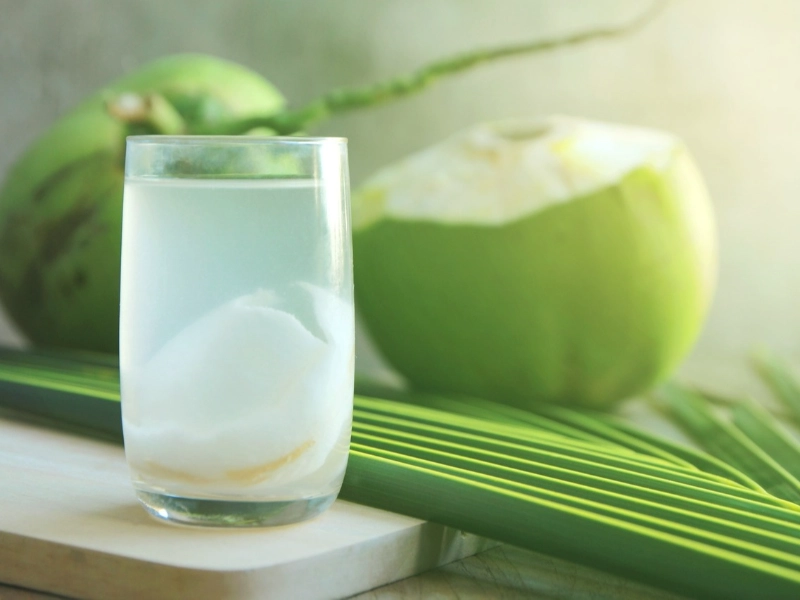
Antioxidants, which are abundant in coconut water, protect the body from oxidative stress and promote kidney health. Studies suggest that using coconut water can help prevent kidney stones, regulate fluid balance and lower blood pressure.
Consult your doctor before adding coconut water to your diet if you have kidney disease. An 8-ounce serving of flavored coconut water can contain a significant amount of salt in addition to added sugar.
Choose chilled, unpasteurized, unsweetened coconut water. During pasteurization, the liquid is exposed to heat, which can damage nutrients. If possible, look for coconut water that has been treated with high pressure rather than heat. This process eliminates microorganisms without compromising the integrity of the vitamins and minerals. This variety is also less likely to have added sugar.
4. Calcium

Coconut water, a natural source of calcium, may help prevent kidney stones. Although calcium is the most common mineral used to form kidney stones, other minerals such as urea and uric acid may also be involved. Kidney stones can be avoided through healthy fluid intake, and coconut water is a fantastic substitute for sugary drinks or sodas.
However, due to its high potassium content, people with kidney disease should only drink coconut water occasionally. Taking too much in a day can cause diarrhea and a buildup of potassium in the blood.
Anecdotal reports suggest that consuming coconut water may help dissolve kidney stones and prevent them from forming. For personalized advice, discuss your concerns about kidney stones with a qualified nutritionist.
5. Magnesium

Magnesium is one of the most important elements for healthy kidneys. Research suggests that it can facilitate urination and reduce inflammation of the urinary tract, which facilitates the removal of microorganisms from the body. First,
as an electrolyte-rich beverage, coconut water can also help prevent kidney stones. One study found that consuming two to three cups of coconut water daily dramatically reduced the size of kidney stones—especially those above the renal pelvis—in a short period of time. It is also a naturally occurring diuretic that helps prevent dehydration by increasing urine output. However, Kacie Vavrek, a registered dietitian at Ohio State University Wexner Medical Center, warns that consuming large amounts of coconut water can increase potassium levels in the body, which can be harmful for people with kidney disease.
Advertisement
Recommended Reading:
Burn Fat With Carrots? →
Stay Updated
Actionable growth insights, once a week. No fluff, no spam—unsubscribe anytime.
Advertisement
You May Like

Can Coconut Oil Treat Infections In Dog Ears?
07/12/2025
Is Coconut Water Good For The Kidneys?
06/26/2025

What Makes Running So Compulsive?
08/26/2025

Exercises To Avoid If You Have Osteoporosis
08/21/2025

Which Breeds Of Dogs Bark The Most?
08/26/2025

How Can Exercise Make You Look Younger?
07/30/2025

Why Are Avocados Not Allowed In The Us?
06/17/2025

The Best Travel Accessories You Need For Your Next Trip
08/27/2025

Which Foods Cause Skin Allergies?
08/13/2025

Is It Healthy To Eat A Cucumber Every Day?
09/04/2025

What Are The Symptoms Of Depression And How To Prevent Them?
07/27/2025

The Benefits Of Aromatherapy And Essential Oils
08/17/2025

How To Create A Home Gym On A Budget
07/30/2025

Is Banana Healthy For The Elderly?
08/19/2025

Which Dog Is The Hardest To Raise?
06/28/2025

What Causes Such Pain In My Teeth?
07/24/2025

What Can I Do To Lower My Blood Pressure?
07/20/2025

Do Cucumbers Have Protein?
07/22/2025

Why Does My Dog Still Stink Despite A Bath?
07/07/2025

Burn Fat With Carrots?
07/21/2025

10 Healthy People's Habits That You Should Adopt
07/30/2025

How To Style A White T-Shirt In Different Ways
08/22/2025

How To Eat An Egg Healthily?
07/19/2025

How To Create A Productive Workplace At Home
06/10/2025
Comments
KineticScribe · 06/10/2025
Strong pulse—where next?
KineticParadox · 08/26/2025
Graceful handling of nuance.
VelvetAtrium · 09/05/2025
Suitable for change log summarization.
LunarSaffron · 06/16/2025
I can sense future audit ease.