How To Create A Productive Workplace At Home
Advertisement
For many people, working from home can be a great choice, but setting up an efficient workspace requires extra effort. Fortunately, there are a few simple steps you can take to increase your productivity while working from home.
As a first step, find a quiet area that feels away from your living area. You can then focus and get rid of distractions.
Location
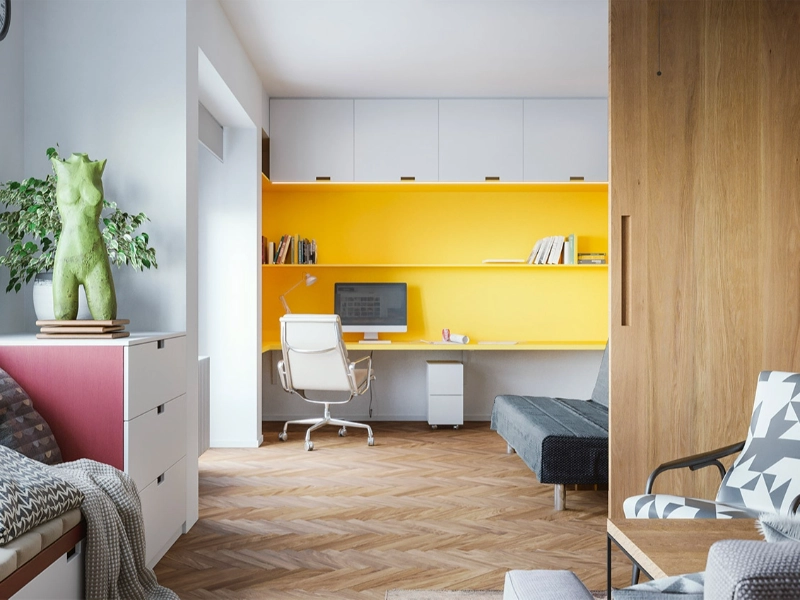
Setting up a dedicated workspace at home is the first step to creating a productive workspace. This can be a special area dedicated to work, or it could simply be a spot on your kitchen table. Distraction-free conditions in this area can help you mentally transition into work mode.
It's best to choose a place with plenty of natural light, as this will help you sleep better and maintain better health by regulating your circadian cycle. To reduce eye strain, choose lighting with a soft white tone that simulates daylight if your workspace isn't near a window. Having
different workspaces is also beneficial because it allows you to change up your environment and maintain your concentration. For example, you can take calls from a quiet guest room, work on Photoshop in the living area, and check email in the kitchen. With these small changes in the environment, your imagination and mental faculties will stay sharp throughout the day.
lighting
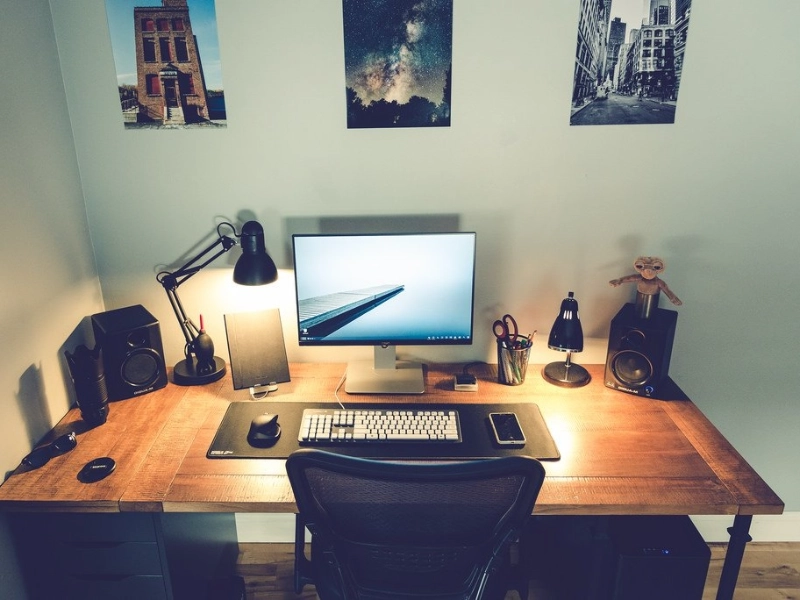
When working from home, it's crucial to have a designated workspace that's separate from your daily life and can be called "work." This could be setting up an entire room to work in or dedicating a spot at the kitchen table to activities that require a lot of concentration.
When setting up your home office, consider how much natural light the area provides. Studies have shown that workers who have access to natural light are happier and more productive with their jobs.
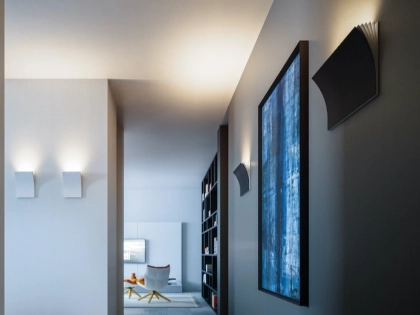
A smart lighting strategy is essential if your workplace doesn't have enough natural light. A well-designed lighting system will eliminate glare and shadows that can hinder productivity by using lighting levels like desk lamps, sconces, and overhead lighting. This type of lighting can improve mood, energy levels, and alertness while also being energy efficient. To get the best lighting possible, minimize the risk of accidental shadows on your computer screen by paying attention to the direction of light sources.
Furniture
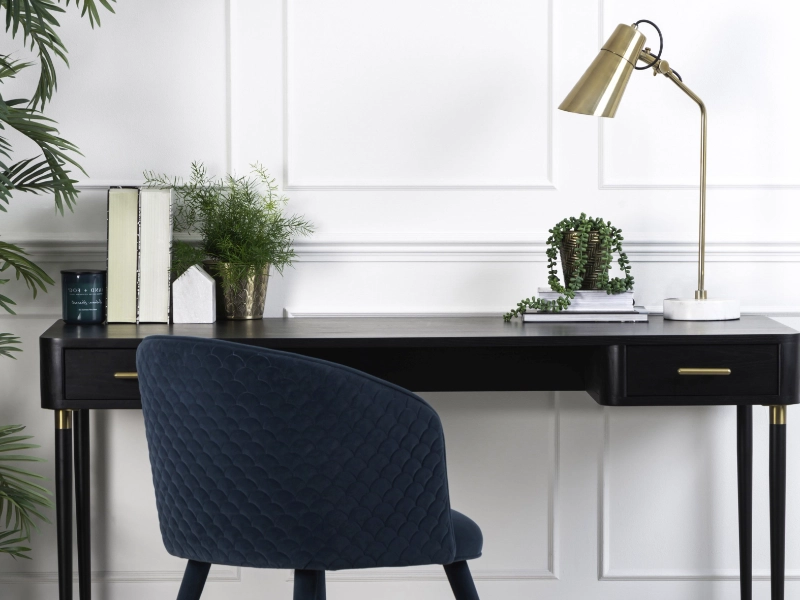
A home office can be as formal as an office with its own door or as casual as a kitchen table nook. Regardless of the location, the area needs to be clearly delineated to keep it away from distractions that happen “at home.” Creating a dedicated workspace can also foster mutual respect between family members, as it limits your opportunities to engage in non-work-related discussions or activities.
Make sure the furniture you choose for your home office is comfortable. It’s important to have a chair that supports your back and wrists and allows you to sit upright with good posture. Another benefit is being more comfortable sitting at a desk that fits you just right.
Adding flowers or plants to a workspace increases productivity by adding visual accents and filtering the air. Studying color psychology is also important; neutral colors are peaceful and calming, while blue and green encourage creativity and focus. To ensure you get the best work, incorporate both into your design strategy.
personalization
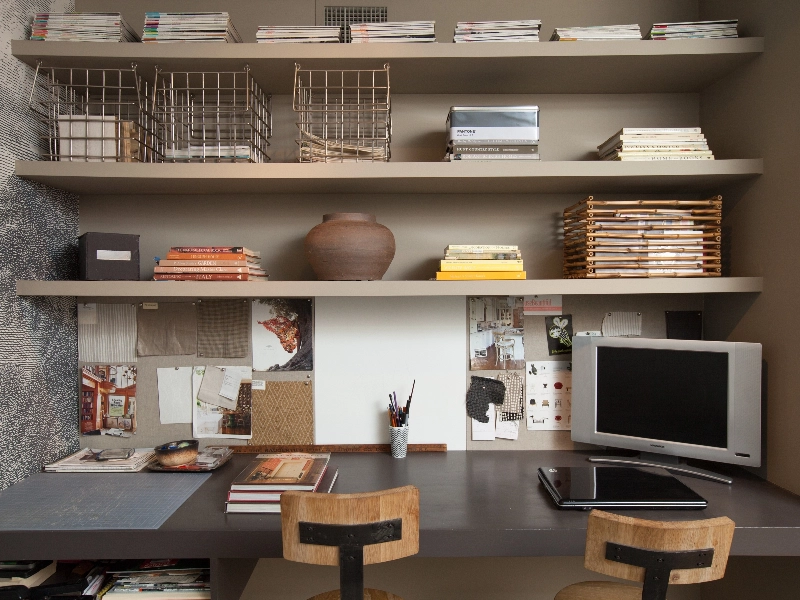
Customizing a home office is crucial because it encourages people to focus more on their task. You can do this by including memorabilia, framed diplomas, and family photos. It is also important to find a place with no distractions. This could be a dedicated office space or just a quiet bedroom corner.
Considering that the average full-time worker logs over 90,000 hours of work over the course of their lifetime, having a productive workspace is crucial. Workspace design has a major impact on productivity, whether an individual works in a private home office or an open-plan workspace with noisy coworkers. Although personalization in the workplace is frowned upon by some companies, when done in moderation, it can increase employee satisfaction and engagement. It can potentially play a major role in reducing stress and increasing performance. Personalization can stimulate creativity and encourage communication, in addition to providing a sense of security and connection.
Advertisement
Recommended Reading:
Heat Or Cold For Knee Pain? →
Stay Updated
Actionable growth insights, once a week. No fluff, no spam—unsubscribe anytime.
Advertisement
You May Like

Can Green Tea Reduce The Size Of A Large Prostate?
07/11/2025

Which Dog Is The Hardest To Raise?
07/17/2025

How To Style Your Outfit With Boots
06/14/2025

How Do You Train Your Abs?
06/08/2025

How To Style Your Hair With A Headband
07/22/2025

Burn Fat With Carrots?
06/06/2025
How To Create A Cozy Living Environment
09/04/2025

The Three Most Important Factors Influencing Longevity
08/23/2025

What Are The Symptoms Of Depression And How To Prevent Them?
06/30/2025

What Can I Do To Lower My Blood Pressure?
08/21/2025

What Causes Such Pain In My Teeth?
07/23/2025

10 Healthy People's Habits That You Should Adopt
06/26/2025

The Best Travel Accessories You Need For Your Next Trip
08/13/2025

How To Eat An Egg Healthily?
07/15/2025

Which Fruit Is Best For Losing Weight?
08/29/2025

Which Breeds Of Dogs Bark The Most?
07/24/2025

How To Style A White T-Shirt In Different Ways
06/08/2025

Heat Or Cold For Knee Pain?
07/17/2025

Is It Healthy To Eat A Cucumber Every Day?
08/04/2025

Avocado And Kidney Stones
06/23/2025

Why Does My Dog Still Stink Despite A Bath?
09/02/2025

Exercises To Avoid If You Have Osteoporosis
06/22/2025

What Makes Running So Compulsive?
07/13/2025

Can Blurred Vision Be Corrected?
07/01/2025
Comments
EmberGlyph · 06/30/2025
A conspicuous absence of fluff.
LumenCrafter · 08/28/2025
Optimized for shared context caching.
CircuitNomad · 06/15/2025
Almost a mantra.
QuantumBadger · 06/12/2025
Offers just-enough abstraction.