Avocado And Kidney Stones
Advertisement
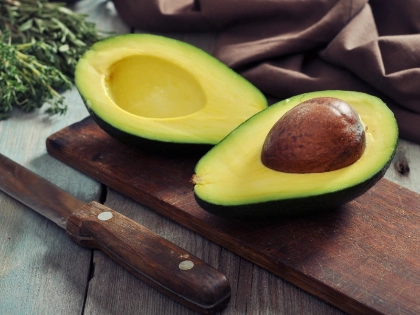
Potassium, sodium and phosphorus are low in avocados. It contains a lot of fiber and good fats. Avocado can be included in a renal diet, but the amount to consume should be discussed with your renal dietitian.
According to a new study, avocado oil supports mitochondrial function in hypertensive rats and reduces oxidative stress. This may be due to its ability to improve vascular function after adrenergic stimulation.
Kidney stones
Hard collections of mineral crystals that build up in the kidneys are called kidney stones. They are often made of calcium oxalate. They can also form from uric acid, a waste product produced when animal proteins such as fish and meat are broken down. These stones often cause sudden, severe pain that may radiate from the back to the side and groin. Urgency or frequency of urination, as well as blood in the urine (hematuria), may accompany the pain.
People with a history of kidney stones are more likely to have recurrence of kidney stones. A nephrologist can perform a 24-hour urine test to determine your body's calcium, oxalate and uric acid levels. They may also examine your personal and family medical history. If the discomfort is very severe, the doctor may suggest surgical removal of the stone. Large stones can damage the kidneys, obstruct blood flow and cause infections. These can be life-threatening if left untreated.
Strong potassium
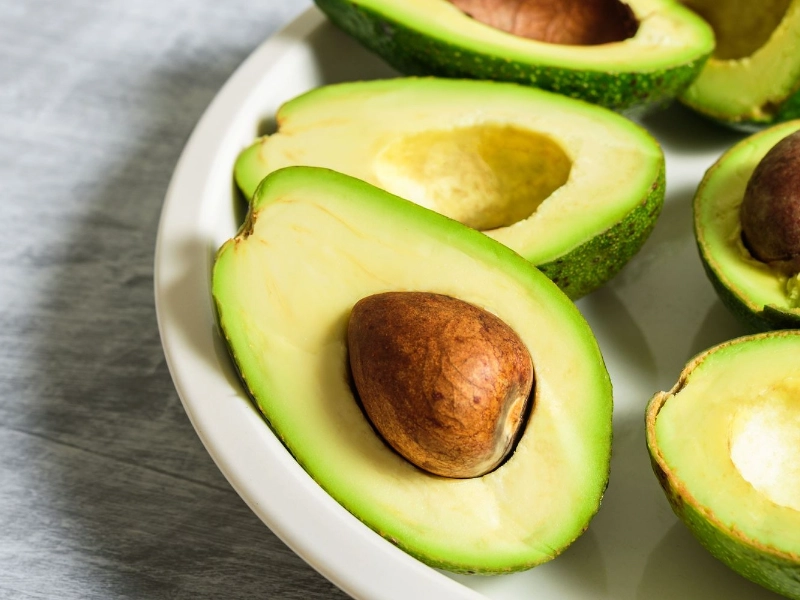
Avocados are an excellent source of potassium. On the other hand, some CKD patients should avoid meals rich in potassium. There are 975 milligrams of potassium in 200 grams of avocado. For someone who needs to limit their potassium intake, that is a significant amount of potassium.
Avocados contain potassium bound to oleic acid, which leads to increased renal vasodilation and inhibition of G-protein activity. For this reason, some CKD patients and dialysis patients should eat avocados, but only in small amounts.
In addition, people with kidney disease should limit their potassium intake and avoid taking supplements that could increase their body's potassium levels. For more personalized advice, it is therefore important to speak to a medical expert or a registered dietitian.
Too much cholesterol
Monounsaturated fatty acids, a type of lipid found in avocados, have the potential to lower cholesterol levels. These include plant sterols, which prevent the body from absorbing cholesterol and lower LDL and total cholesterol levels.
Oleic acid, the main monounsaturated fat in avocados, has been shown to lower LDL cholesterol levels. Another benefit of oleic acid is reduced activity of G-protein-coupled receptors, which are involved in cardiovascular disease.
Avocados have minimal potassium, phosphorus and sodium content. They are also a wonderful source of fiber, vitamins, antioxidants and protein.
Avocados can be consumed by people undergoing hemodialysis or kidney transplant, but they should watch portion sizes and avoid other potassium-rich meals. Consult a renal dietitian to determine your recommended daily intake based on your lab results and stage of kidney disease.
Increased sodium
Potassium, which is abundant in avocados, helps maintain your body's mineral and fluid balance. This is especially crucial if you have kidney disease. It can help control body fluids and expel them from the body when they are not needed. In addition, it helps prevent kidney stones, which are hard mineral deposits that are very painful.
Avocado is also known for its ability to strengthen the liver, which means it can help maintain liver health. This is achieved through the frequent secretion of gastric and bile juices, which reduces the amount of toxins that build up in your kidneys.
The antioxidant properties of avocado oil also help reduce the possibility of oxidative stress caused by increased salt levels. For personalized advice, it is recommended to speak to a doctor or nutritionist. Depending on your age, laboratory results and the stage of the disease, you will be advised on the correct potassium intake.
Advertisement
Recommended Reading:
The Three Most Important Factors Influencing Longevity →
Stay Updated
Actionable growth insights, once a week. No fluff, no spam—unsubscribe anytime.
Advertisement
You May Like

How To Style Your Outfit With Boots
07/05/2025

What Causes Such Pain In My Teeth?
06/06/2025
Avocado And Kidney Stones
08/10/2025
Burn Fat With Carrots?
07/12/2025

What Can Remove Dark Circles Under The Eyes?
07/14/2025

The Three Most Important Factors Influencing Longevity
06/17/2025
Does Avocado Help You Sleep?
08/10/2025
Heat Or Cold For Knee Pain?
07/28/2025

Can Blurred Vision Be Corrected?
07/23/2025

Which Breeds Of Dogs Bark The Most?
08/31/2025

The Best Travel Accessories You Need For Your Next Trip
08/24/2025

How To Style Your Hair With A Headband
09/02/2025

How To Create A Home Gym On A Budget
09/04/2025

What Are The Symptoms Of Depression And How To Prevent Them?
07/02/2025

Why Are Avocados Not Allowed In The Us?
08/29/2025

How To Eat An Egg Healthily?
08/10/2025

Can Coconut Oil Treat Infections In Dog Ears?
06/09/2025

How To Create A Cozy Living Environment
08/11/2025

How To Style A White T-Shirt In Different Ways
08/02/2025

The Benefits Of Aromatherapy And Essential Oils
07/04/2025

How Do You Train Your Abs?
07/06/2025
Is Banana Healthy For The Elderly?
06/19/2025

How Can Exercise Make You Look Younger?
08/19/2025

What Can I Do To Lower My Blood Pressure?
07/12/2025
Comments
CircuitSkies · 07/31/2025
Nice baseline. How to go advanced?
EchoTundra · 08/30/2025
Balances durability and flexibility.
CipherScholar · 07/28/2025
Carries a quiet confidence.
AtlasTelemetry · 06/14/2025
This triangulates perspectives well.
JadeHelix · 06/16/2025
Highlights stewardship ethos.