Honey vs Sugar: Which is the Better Sweetener Choice?
Advertisement
5. Environmental and Ethical Considerations: The Broader Impact of Honey and Sugar Production
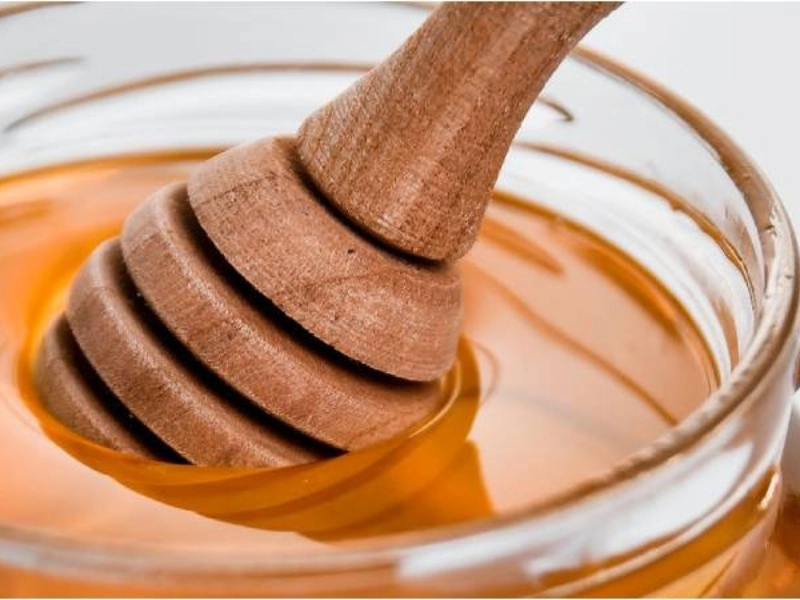
When deciding between honey and sugar, one should take into account not only their respective ethical and environmental consequences but also their culinary applications and effects on health. The ecology suffers greatly from the manufacturing of honey and sugar, which also begs moral concerns for conscientious consumers.
Particularly from sugarcane, sugar production has drawn various environmental questions. Especially in tropical areas, large-scale sugarcane farming frequently results in deforestation. This not only helps certain species lose their habitat but also influences climate change by lowering the earth's capacity to absorb carbon dioxide. Many times, sugarcane growing strains local water supplies by being water-intensive. Using fertilizers and pesticides in sugar manufacture could cause water contamination and soil deterioration, therefore influencing terrestrial as well as aquatic ecosystems.
Furthermore, the conversion of sugarcane into refined sugar calls for large energy inputs, usually supplied from fossil fuels, which causes greenhouse gas emissions. Sugar's carbon footprint is further enhanced by its movement from manufacturing locations to consumers all around. Efforts are being made in some areas, meanwhile, to increase the sustainability of sugar production by means of more effective agricultural techniques, improved water management, and the use of sugarcane waste for bioenergy generation.
Though usually seen as more ecologically benign, honey manufacture has certain effects. Honey production's most important benefit is its support of bee populations, which are vital pollinators for many crops and wild plants. Given the worldwide drop in bee numbers brought on by habitat loss, pesticide use, and climate change, beekeeping can help preserve and even boost bee populations—particularly crucial.
Commercial honey manufacture might, however, potentially have unfavorable effects. Sometimes big-scale beekeeping projects could compete with native pollinators for supplies, therefore upsetting nearby ecosystems. Concerns also surround the way diseases from controlled honey bee colonies move to wild bee populations. Furthermore posing ethical and environmental issues are various beekeeping methods as the use of antibiotics to cure bee ailments or the movement of hives great distances for pollination purposes.
Ethically, one can argue about how bees are handled during honey production. While some maintain that good beekeeping methods can be mutually beneficial for bees and people, others say that honey production exploits bees. Practices including culling hives, substituting sugar syrup for honey, and wing clipping queen bees to stop swarming have drawn criticism.
Ethical questions surround sugar production as well, especially in relation to labor policies in some areas producing sugarcane. Though attempts are being made to raise labor standards and support fair trade practices, there have been claims of low wages, bad working conditions, and even child labor in some sugar companies.
In terms of land use, sugar output usually calls for more land than honey output to produce the same sweetener quantity. Conservation of habitat and biodiversity suffer as a result. Sugar can be derived from many sources, though, including sugar beets, which are sometimes grown in temperate areas and might have distinct environmental effects than tropical sugarcane cultivation.
With regard to resource efficiency, yield per acre of sugarcane or sugar beets can be really high. Still, sugar refining calls for energy-intensive processing. Though perhaps less effective in terms of sweetener yield per acre, honey manufacture requires less processing and typically has a smaller energy impact.
One should also take into account the part these sweeteners help to boost local economy. For rural towns and small-scale farmers in many areas, beekeeping offers vital income. Likewise, sugar production is a major sector in many nations that offers employment and financial gains; yet the distribution of these advantages can be unequal.
Furthermore affecting biodiversity could be the preference between honey and sugar. Different honey production can support biodiversity particularly in cases of floral landscape preservation. Conversely, extensive monoculture sugarcane or sugar beet farming can lower agricultural area biodiversity.
Regarding shipping and packing, both honey and sugar have effects on the surroundings. Honey is offered in glass or plastic containers; sugar is sometimes wrapped in paper or plastic. Honey containers' weight and fragility could cause a greater transportation carbon footprint than sugar.
Customers who want to reduce their environmental effect could look at choices including organic sugar or locally grown honey. These decisions can help to support more environmentally friendly manufacturing techniques and lower emissions connected to transportation.
In essence, the production of honey and sugar carries difficult ethical and environmental consequences. Honey production is not without difficulties even if its connection with bee preservation helps to present a more favorable picture. Though attempts are being made to increase sustainability, sugar manufacture—especially from sugarcane—faces major environmental criticism. In the end, mindful consumers could have to balance these several elements with their own tastes in food and personal health when deciding whether of honey or sugar to use.
Advertisement
Recommended Reading:
Great Pictures Of Women's Beach Volleyball →
You are viewing page 5 of this article. Please continue to page 6
Stay Updated
Actionable growth insights, once a week. No fluff, no spam—unsubscribe anytime.
Advertisement
You May Like

17 Fairytale Places For Those Who Are Tired Of The Noise In The Cities
06/24/2025

14 Secrets Most Aircraft Passengers Know Nothing About
09/03/2025

Successless, But Very Funny Photos Of Girls
07/08/2025

15 Unique Beaches Worth A Visit
08/06/2025
The 14 Strangest Transparent Animals In The World
08/04/2025

Original Comic Captures Of Animal Gangs
07/24/2025
13 Amazing Reasons Why Tardigrades Are Super Animals
07/18/2025

Honey vs Sugar: Which is the Better Sweetener Choice?
06/06/2025

17 Real Photos That Give You Goosebumps
06/15/2025

Wreck-It Yourself: Funny Moments After Failed Renovations
06/19/2025

Extreme Paragliding: Soaring Warriors in the Himalayas
09/04/2025
11 Foods That Your Body Will Thank You For Eating
08/24/2025

From Dull to Dazzling: Transform Your Gray Hair Today
06/06/2025
Onions in Socks: The Nighttime Ritual That's Raising Eyebrows·
08/14/2025

Great Pictures Of Women's Beach Volleyball
07/23/2025

Synchronous Laughter: A Collection Of Funny Photos From Synchronous Swimming
06/27/2025
The Accidental Act Of A Thai Woman Turns The Cat Yellow!
06/16/2025

The Funniest Cooking Mistakes You'll Ever See
07/02/2025
Cats In Costume: Cat-Like Fashion Craziness That Will Make You Smile
06/09/2025

The Most Beautiful Space Photos You Will Ever See
08/31/2025

The Most Spectacular Colored Animals In The World
08/17/2025

What Can Happen To Your Body If You Start Eating Oats Every Day
08/28/2025

Bedtime Onions: What Happened When She Tried This for a Week
09/02/2025

20 Discoveries You Make When You Get A Cat
07/15/2025
Comments
HorizonAtrium · 08/14/2025
Harmonizes with incremental delivery.
QuantumBadger · 06/24/2025
Subtle nudge toward better habits.
DriftParagon · 06/14/2025
Persuasive without theatrics.